
Fire risk assessments in Hertfordshire and London
If you’re responsible for a workplace, commercial premises, an HMO or the communal areas of a residential building, you may be legally responsible for arranging and recording a suitable fire risk assessment.
- Offices, shops, warehouses, schools and nurseries
- HMOs, blocks of flats and other rented property
- Landlords, letting agents and managing agents

Who carries out the assessment
Fire risk assessments are arranged through our partner AllServe Pest & Compliance and carried out by an independent fire risk assessor they work with. About AllServe Pest & Compliance.
What a fire risk assessment is
A fire risk assessment is a careful look at a building to answer a few simple questions. What could start a fire? What would burn? Who could be harmed, and could they get out safely? Then it sets out what you’re going to do about anything that isn’t good enough.
In England, the main law is the Regulatory Reform (Fire Safety) Order 2005. It puts the duty on the “responsible person”: usually the employer, the owner or landlord, or whoever manages the building. For blocks of flats, the Fire Safety (England) Regulations 2022 added extra duties for the shared parts, such as checking fire doors and giving residents fire safety information.
What the assessment looks at
- Things that could start a fire: electrics, heaters, cooking, smoking, rubbish and anything stored where it shouldn’t be.
- Who’s in the building: staff, visitors, tenants and residents, and anyone who might need help getting out, such as children or people with mobility problems.
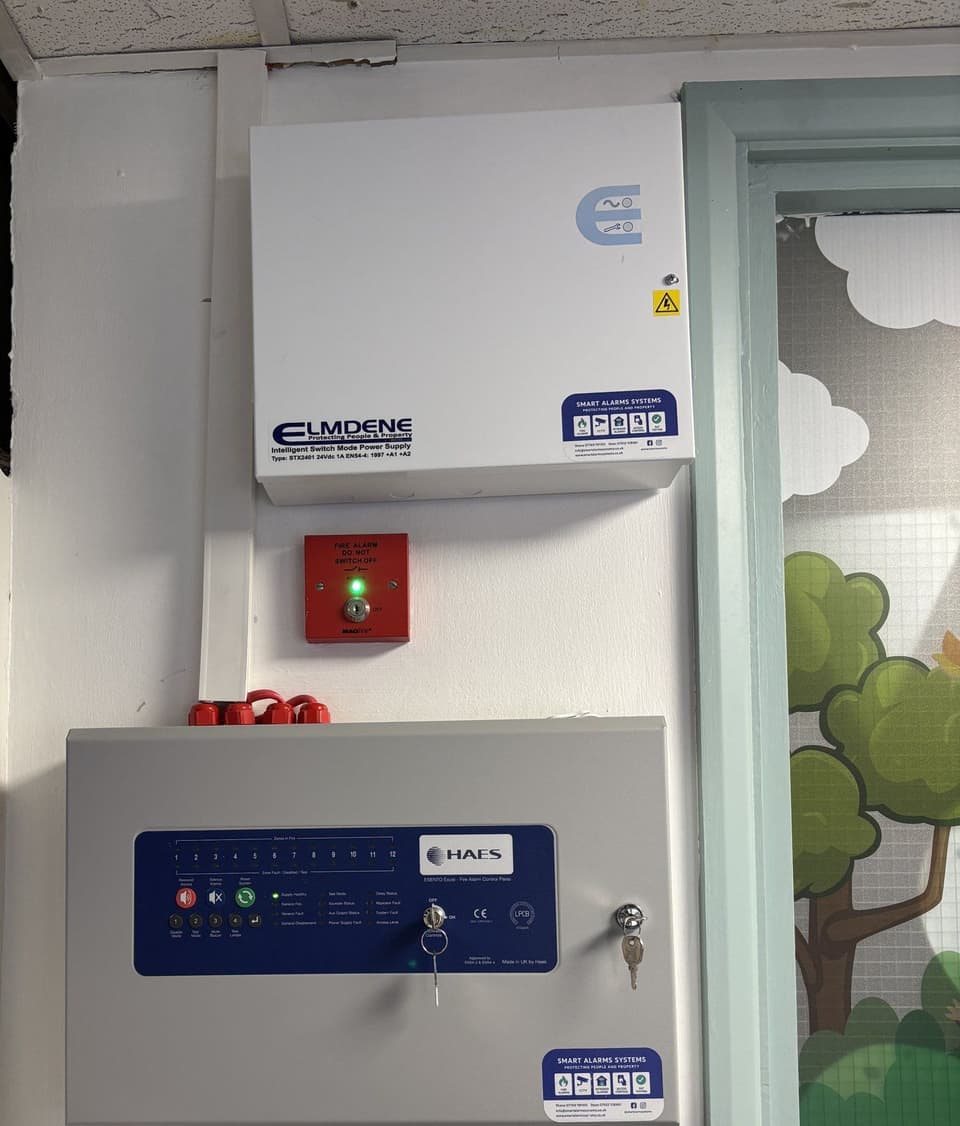
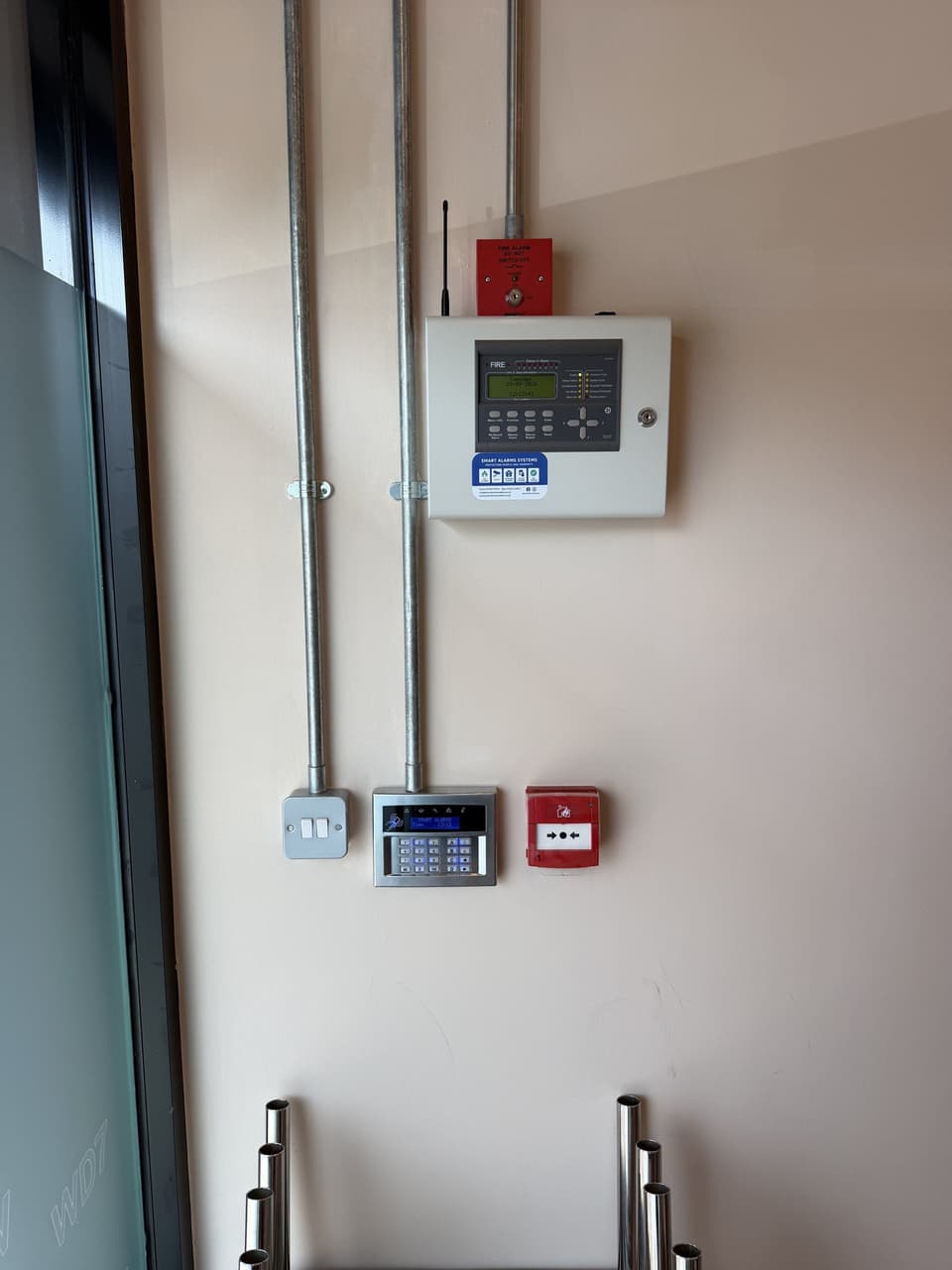
- Warning: whether there’s a fire alarm, whether it suits the building, and whether it’s being tested and serviced.
- Escape routes: corridors, stairs and exits, whether they’re kept clear, and whether exit doors open easily.
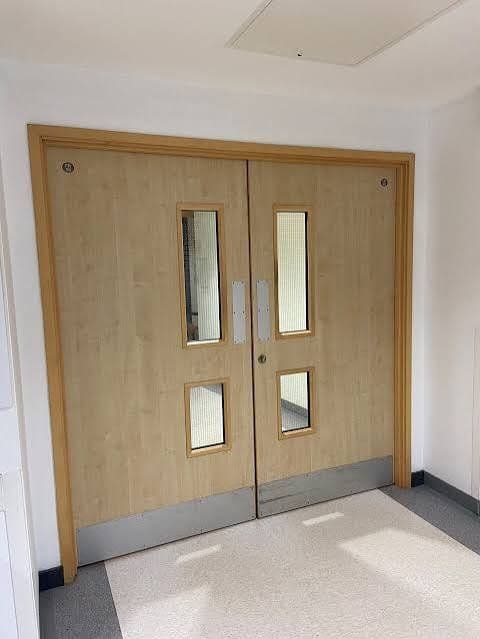
- Fire doors: whether they close properly, fit their frames and have working closers and seals.
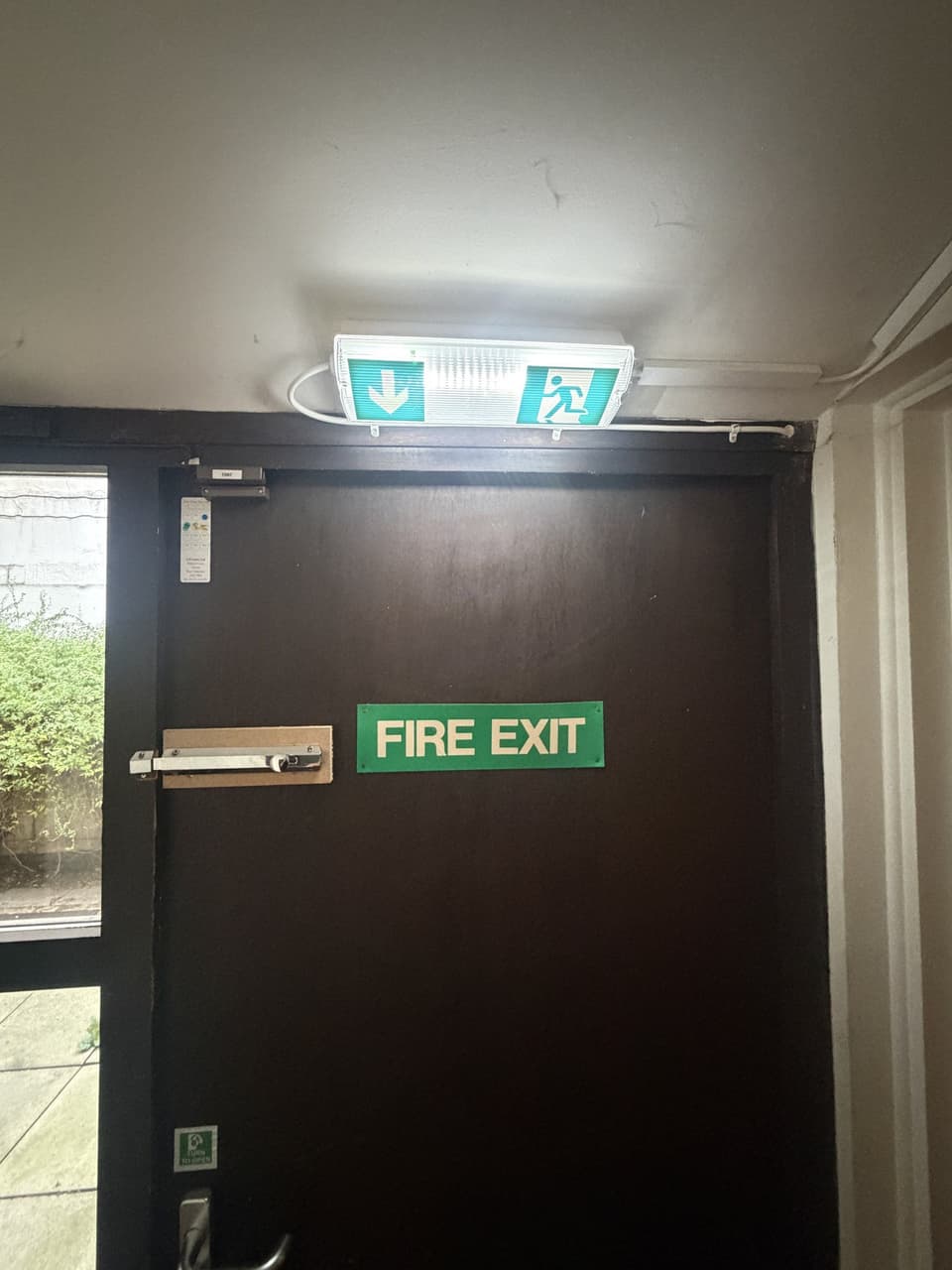
- Emergency lighting and signs: whether people could find the way out if the power failed.
- Firefighting equipment: extinguishers, fire blankets and any other equipment, and whether it’s in date.
- Records and training: test logs, service certificates, and whether people know what to do when the alarm goes off.
What you get
After the visit, the assessor writes up what they found in plain English. The action plan lists each issue, what to do about it, and how urgent it is, so you know what to sort first. Some things are quick fixes, like moving stored boxes off an escape route or fitting a missing sign. Others need a contractor, like repairing fire doors or upgrading the fire alarm.
Keep the assessment somewhere you can find it. Your insurer, the fire service, a landlord or a letting agent may ask to see it, and it’s the starting point for most fire safety work in the building.
Landlords, HMOs and blocks of flats
For rented property, the fire risk assessment covers the shared parts: the hallways, stairs, landings and entrance. In an HMO or block of flats that’s often where the real risks are, such as bikes and rubbish in the hallway, fire doors propped open, or a fire alarm that hasn’t been serviced. The visit can be booked around tenants. See our page for landlords and letting agents.
After the assessment
Because we install and service fire safety systems ourselves, we can quote for most of the actions the assessment raises: fire alarms, emergency lighting, fire doors, extinguishers and smoke vents. Then we can keep everything serviced, so the next review is straightforward.
Often booked together: fire door inspections and repairs and fire alarm installation and servicing.
Your paperwork: You get the assessment in writing, with an action plan that lists anything that needs doing, most important first.
Areas we cover
Full coverage across Hertfordshire, Bedfordshire, Buckinghamshire and Cambridgeshire, plus north and west London, Harlow (Essex) and Windsor (Berkshire).
Commercial projects further afield by arrangement. See all the areas we cover.
Some of our work


Questions people ask
Do I need a fire risk assessment?
If you’re responsible for a non-domestic building, you almost certainly do. That covers workplaces, shops, schools and nurseries, and the shared parts of HMOs and blocks of flats. The person responsible, usually the employer, owner, landlord or managing agent, has to make sure one is done and kept up to date.
Does it have to be written down?
In England, yes. Since October 2023 the full fire risk assessment has to be recorded in writing, whatever the size of the business, along with who carried it out.
How often should it be reviewed?
There’s no fixed date in law. It should be reviewed regularly and whenever something changes, such as building work, a change of use, more people in the building, or after a fire or near miss. Many people review it every year.
Who carries out the assessment?
Fire risk assessments are arranged through our partner AllServe Pest & Compliance and carried out by an independent fire risk assessor they work with.
How long does the visit take?
It depends on the size and layout of the building. A small shop or office might take an hour or two on site; a large block of flats takes longer. You’ll be given an idea when it’s booked.
Can you do the work the assessment finds?
Often, yes. We install and service fire alarms, emergency lighting, fire doors, extinguishers and smoke vents, so we can quote for those actions too. You’re free to use anyone you like.
Want a price?
Call, WhatsApp or send a quick quote request. We’ll come and have a look, and quotes are free.